
It is time to change the narrative at The Village at Black Creek.
Recognizing that for too long the site had focused on settlers of European descent, in 2017 The Village began working to change the narrative by collaborating with Indigenous scholars, artists, elders, and community members.
To “restory” The Village, we are also partnering with other equity-deserving artists, scholars, and communities to ensure that their stories – from their perspectives and in their words – are shared with visitors to The Village.
LEARN HOW THE VILLAGE IS
CHANGING THE NARRATIVE
About the Research
To bring Indigenous voices and perspectives to The Village, the Changing the Narrative Indigenous research committee initiated a multi-year project in 2017.
Changing the Narrative: Reconnecting Settler and Indigenous Histories at The Village is a multi-phase collaborative project between Toronto and Region Conservation Authority (TRCA) at The Village at Black Creek, York University, Jumblies Theatre, and five southern Ontario First Nations: Mississaugas of the Credit, Chippewas of Rama, Six Nations of the Grand River, Chippewas of Georgina Island, and Mississaugas of Scugog Island First Nation.
The project aims to develop historically accurate and artful permanent installations at The Village that acknowledge the deep connection between the establishment of Euro-Canadian “pioneer” settlements and the loss of lands and livelihoods by local Indigenous communities, while also highlighting more positive interconnections through trade, technological adaptation, and intermarriage.
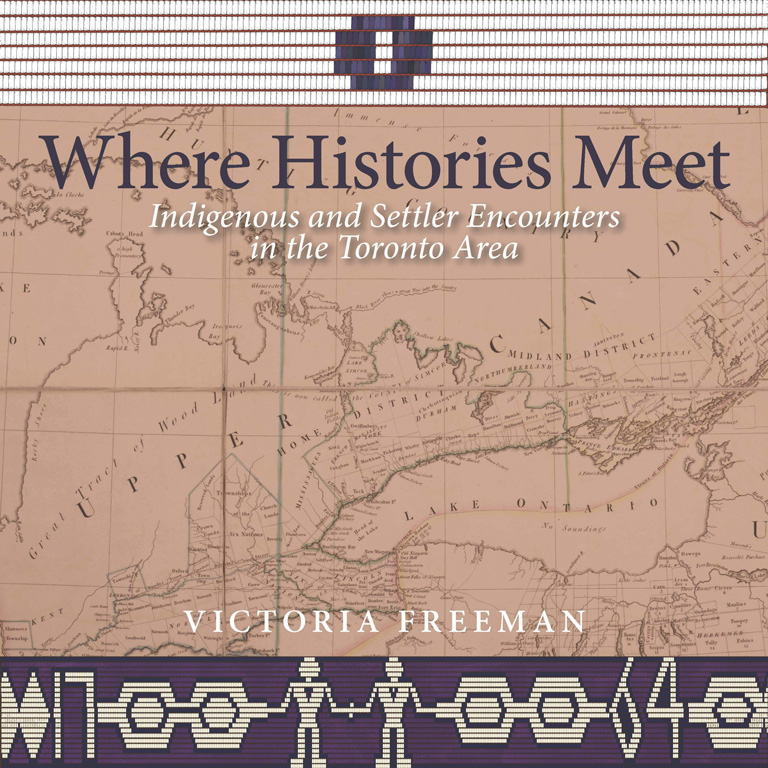 The culmination of many years of research came in 2025 with the publication of Where Histories Meet: Indigenous and Settler Encounters in the Toronto Area by scholar Victoria Freeman.
This important work traces the histories of Indigenous peoples in the Toronto region and their relationships with settlers, focusing on the period from the colonial treaties of the 1780s to the introduction of the Indian Act in 1876. Copies are available at The Village Gift Shop.
This research has opened new pathways for interpreting and animating the site, reshaping how these stories are shared with visitors. As the first phase of a larger initiative, it has laid a strong foundation for future work.
With this phase now complete, we are moving into phase two: the development of a large-scale, site-wide exhibition across The Village. This exhibit will explore key themes through installations in multiple historic buildings.
The concept plan, developed in consultation with the research committee, is now entering the fundraising stage.
In these ways, The Village will support the spirit of the Truth and Reconciliation Commission of Canada‘s calls to action by telling a fuller, more inclusive, and more accurate story of settlement in 19th century Ontario.
Changing the Narrative through Art
Art connects us to other people and opens our eyes to different ways of looking at the world around us and the history of the land we call home.
This year at The Village, Indigenous artists share their perspectives on Toronto’s colonial past, remind us of the original caretakers of the land, and ask us to remain hopeful about the future.
NEW THIS YEAR
Red Dress Exhibit: A Glimpse (If Only These Dresses Could Tell Their Story)
Presented in collaboration with Michele-Elise Burnette, this installation offers a first look at select art pieces from The Red Dress Exhibit, which was created in partnership with the Red Dress Collective.
Burnett is a curator and storyteller of mixed Indigenous and European ancestry, with Nipissing Algonquin roots.
This installation is in remembrance of Missing and Murdered First Nations, Métis, and Inuit Women, Girls, and Two-Spirit people (MMIWG2S+).
Opens May 2026 – The Village’s Main Gallery.
10 Stories
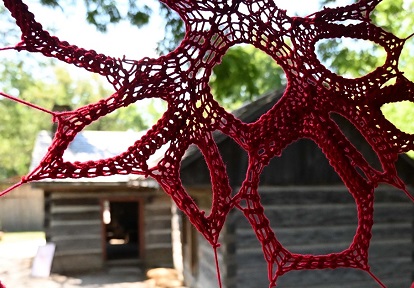
10 Stories is an artistic exploration of memory, heritage, and sustainability, expressed through 10 hand-knitted miniature sweaters from textile artist Wen Shen.
Each piece is crafted entirely by hand, beginning with raw wool (sourced from the Border Leicester sheep at The Village), then moving through the processes of spinning, natural plant-based dyeing or the use of undyed wool in its original colours, and finally, knitting.
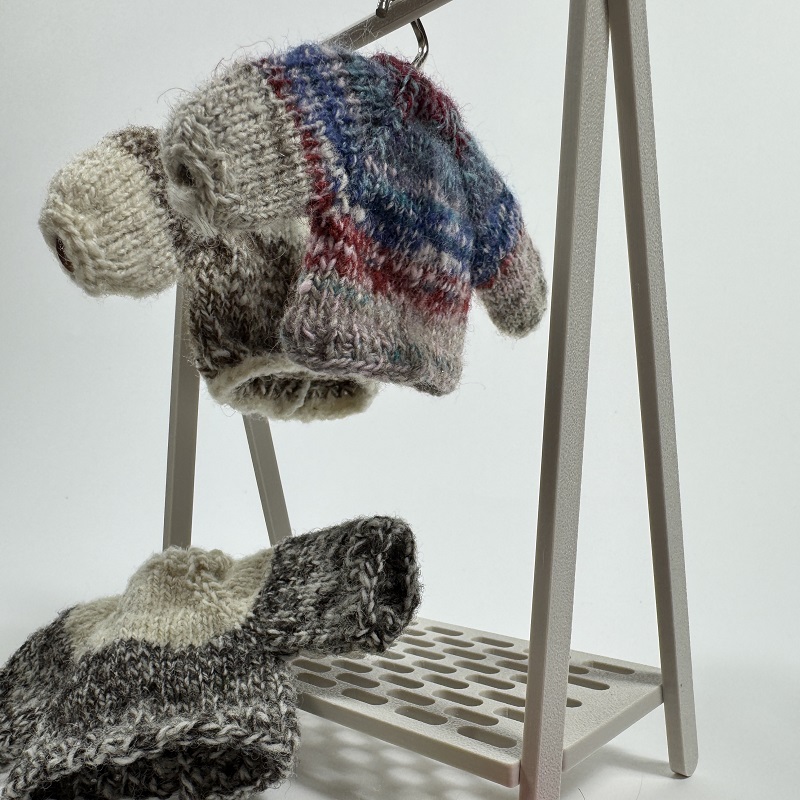
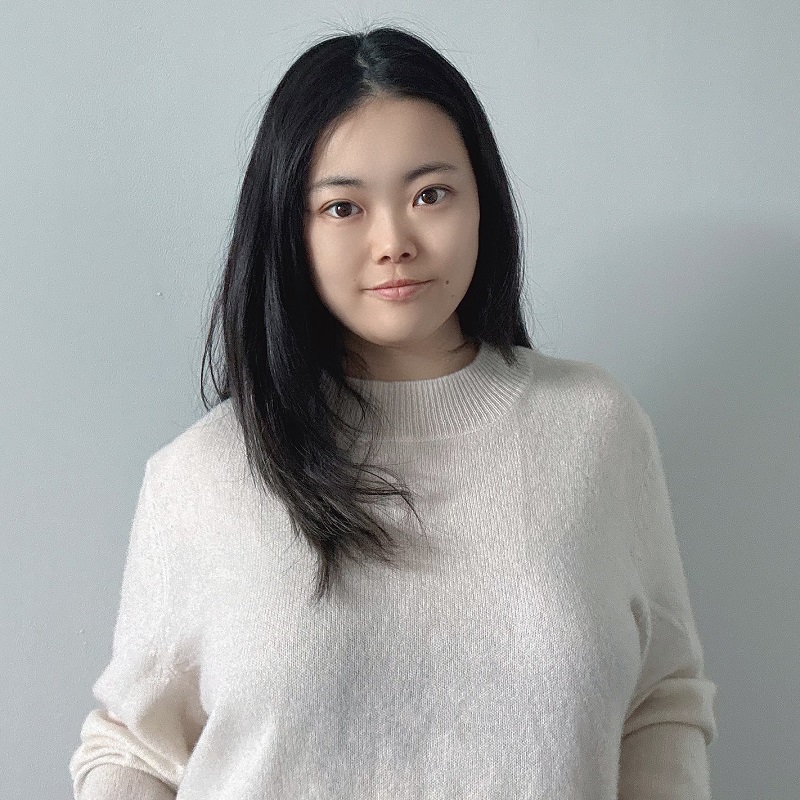
Miniature sweaters created by textile artist Wen Shen.
Each object is not only a piece of craft but also a record of lived experience. As Wen worked on each sweater, she documented what was happening that day: thoughts, observations, and small details of daily life.
The miniature sweaters become vessels of personal narrative and collective memory. They are objects that speak both of their making and of their moment.
July to October 2026 – Second House.
CONTINUING EXHIBITS
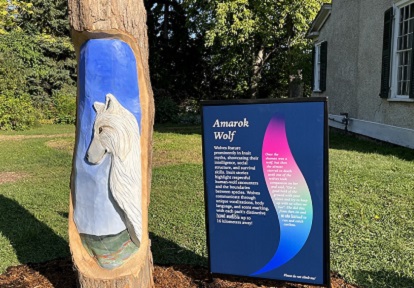
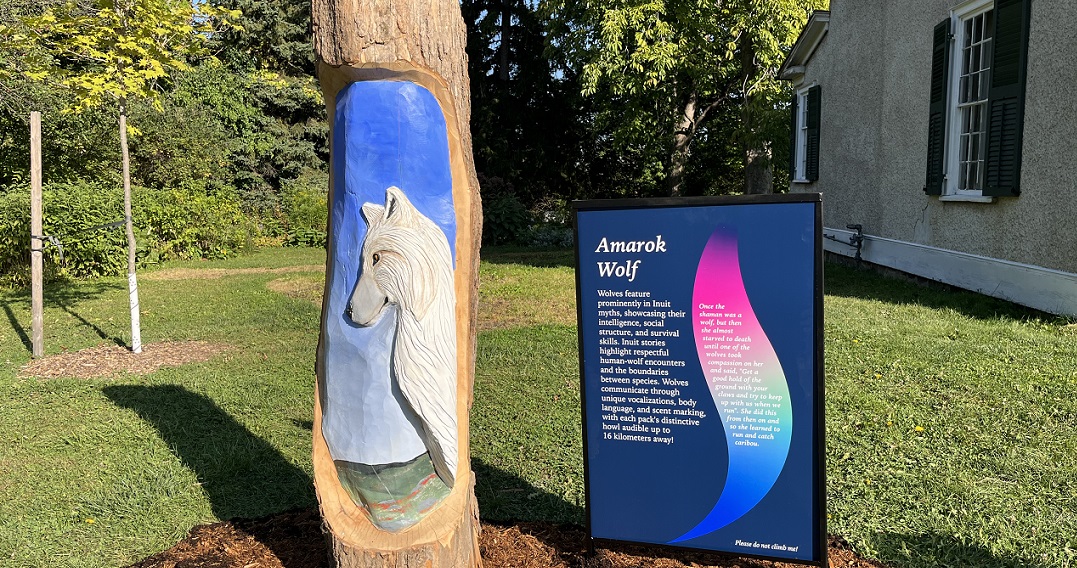
- Spirit Figures: Search for sculptured spirit figures, created by Sun Raven Arts and located throughout The Village. Can you see them hidden but watching? Through 2026.
- #HopeandHealingcanada: Consider those whose voices have been historically displaced from spaces like The Village, while viewing a site-specific installation around Second House, created by Métis artist Tracey-Mae Chambers. September 2026.
- Spirit Wind: Explore the the Inuit narrative, The Soul That Let Itself Be Born Again in All the Animals Of The Earth, through Inuk eco-artist Barry Best‘s series of six woodcarving installations. It also includes an addition: Uppik (Snowy Owl), located near the Doctor’s House, which continues this work, blending traditional carving with a strong commitment to sustainability and cultural storytelling. On view throughout 2026.
Changing the Narrative through Events
Events bring us together to discover new ideas and explore different perspectives.
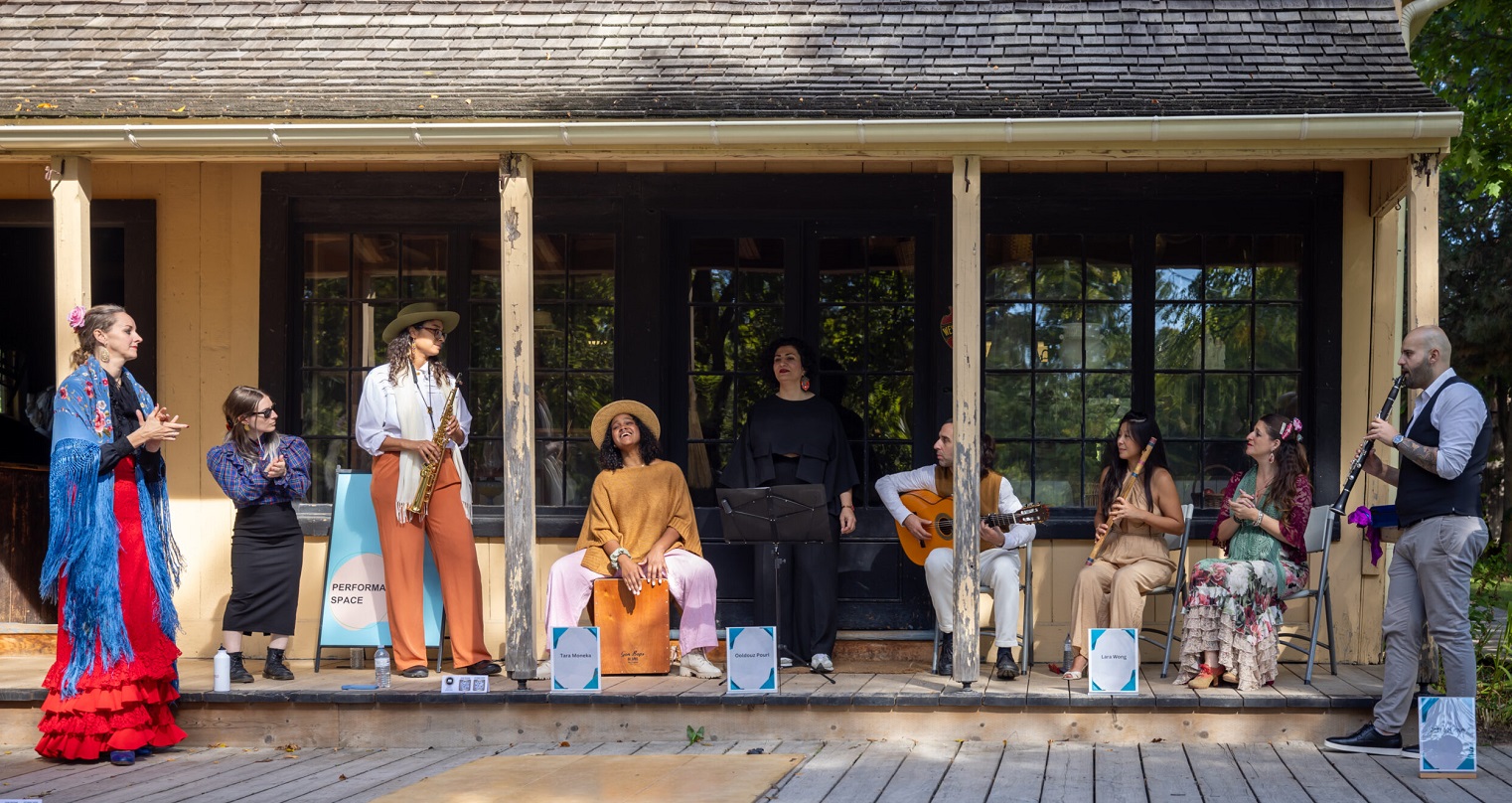
Village as Practice
Village as Practice is a participatory public art project developed through the Department of Imaginary Affairs in collaboration with The Village, funded by Toronto Art Council.
The project explores the relationship between community, land, and our collective imagination of better futures. At its core, Village as Practice invites people to reflect on what “village” means to them and how that sense of belonging, place, and care connects to the worlds we want to build together.
From mid-May to August, two participatory installations will be active: one in the Jane and Finch community and the other at The Village. These installations invite participants to share stories, reflections, and visions of their communities and possible futures.
In September, both works will be brought together and presented at The Village for public viewing, culminating in a special program on Sunday, September 27, 2026. This event will feature both artists and coincide with The Village’s National Day for Truth and Reconciliation public programming.
Segun Caezar – The City
This project will present a full-scale recreation of Toronto’s first taxicab, The City, originally built in 1837 by freedom seekers Lucie and Thornton Blackburn.
The installation was funded through partnership with the Toronto Arts Council and will be on view at the Village in late summer 2026. Please check back soon for updates on confirmed program dates.
First Saturdays: Through Their Eyes
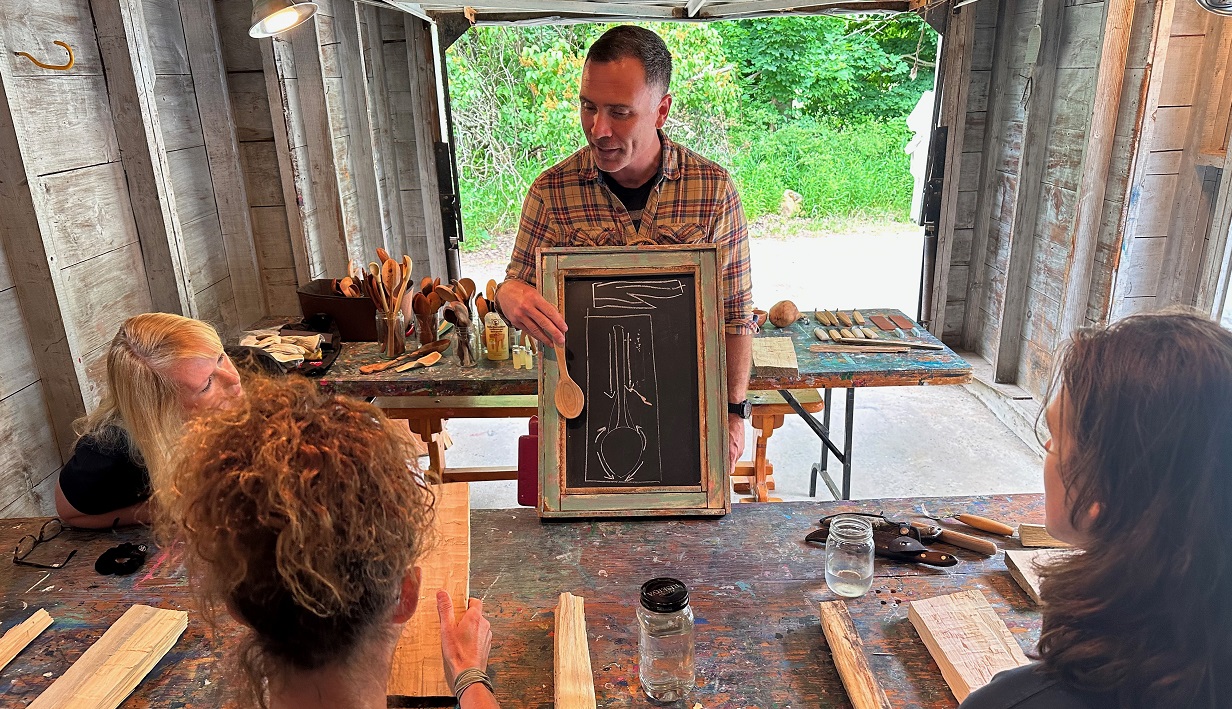
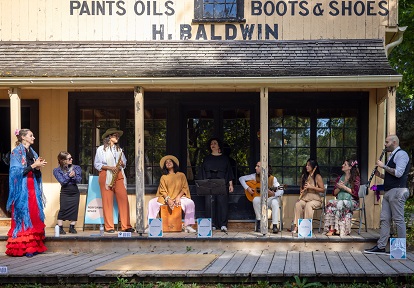
Visit with Indigenous and other equity-deserving artists on the first Saturday of every month, as they demonstrate their art while asking us to consider the history of Toronto through their eyes. May to November, 2026.
Relaxed Days
Relaxed Days provide spaces and activities welcoming to all visitors, including those on the autism spectrum, those with sensory or communication disorders, and everyone seeking a more relaxed visit. Created in partnership with Grandview Kids and Surrey Place. Spring 2026.
Changing the Narrative through Exhibits
Exhibits and installations challenge us to reconsider our past and contemplate how we create a better future.
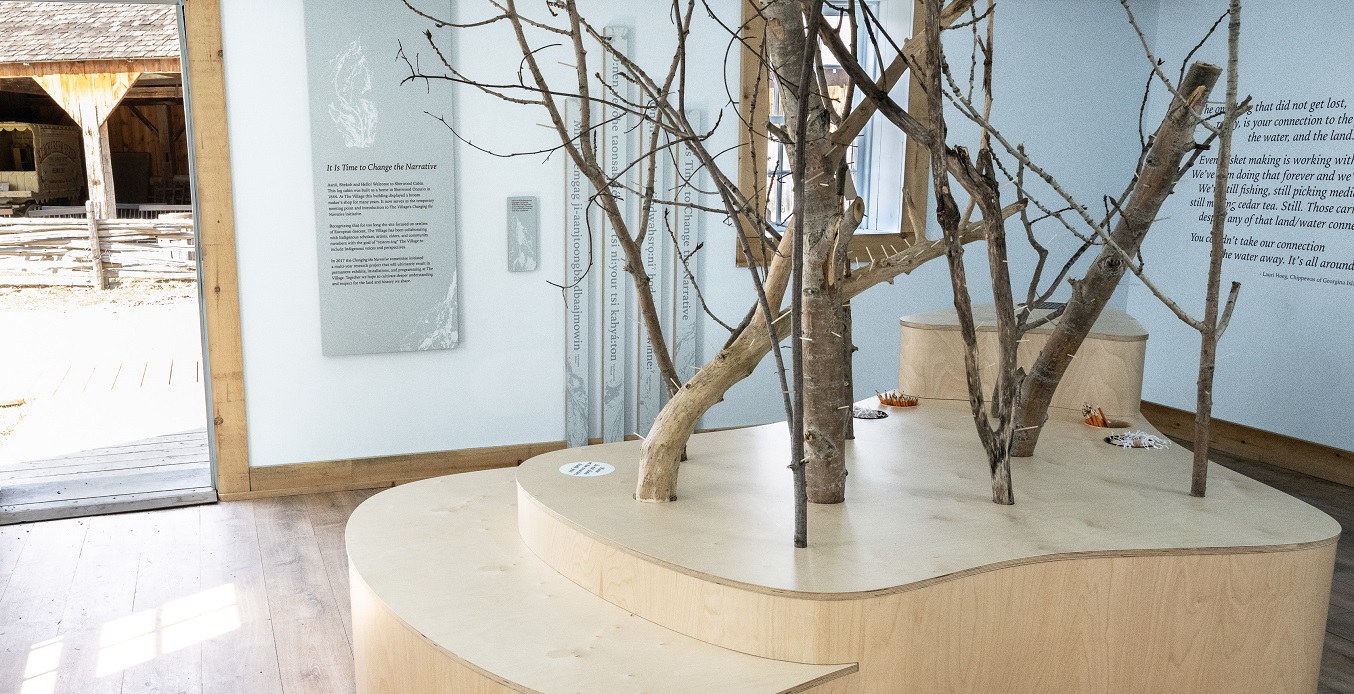
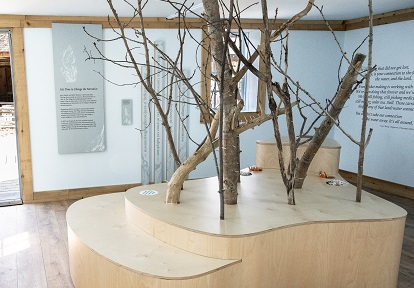
- Changing the Narrative: Explore the Changing the Narrative project in The Village’s newest exhibit in Sherwood Cabin. Guided by the Changing the Narrative Research Committee and funded by Tourism Relief Fund (FedDev Ontario).
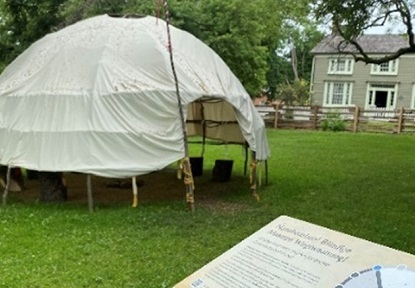
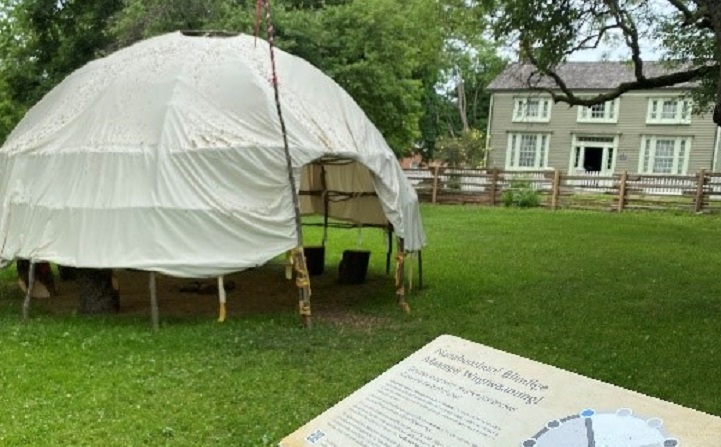
- Wiigiwaam: Contemplate the impact of colonization while seated in a traditional Ojibwe wiigiwaam constructed by Village staff led by Indigenous knowledge-keepers and Elders.
- Hidden Histories: Discover the hidden history of Toronto’s Queer community in the 1800s through a wall cabinet designed to reveal what was once concealed. At first glance, it may seem like an ordinary piece of furniture – but as the doors and drawers open, stories come to light.
What’s Next
We are working hard to Change the Narrative. But we’re not stopping here.
Our school programs are undergoing a review by Indigenous education consultants to ensure that the stories we tell and the way that historical information is shared reflects the perspectives of the Haudenosaunee and Anishinaabeg peoples who have lived on the land now known as Toronto for centuries.
As the initial research phase of the Changing the Narrative project comes to a close, work is beginning on a permanent exhibit and series of installations. Created collaboratively with five First Nations, these installations will weave Indigenous voices and perspectives throughout The Village.
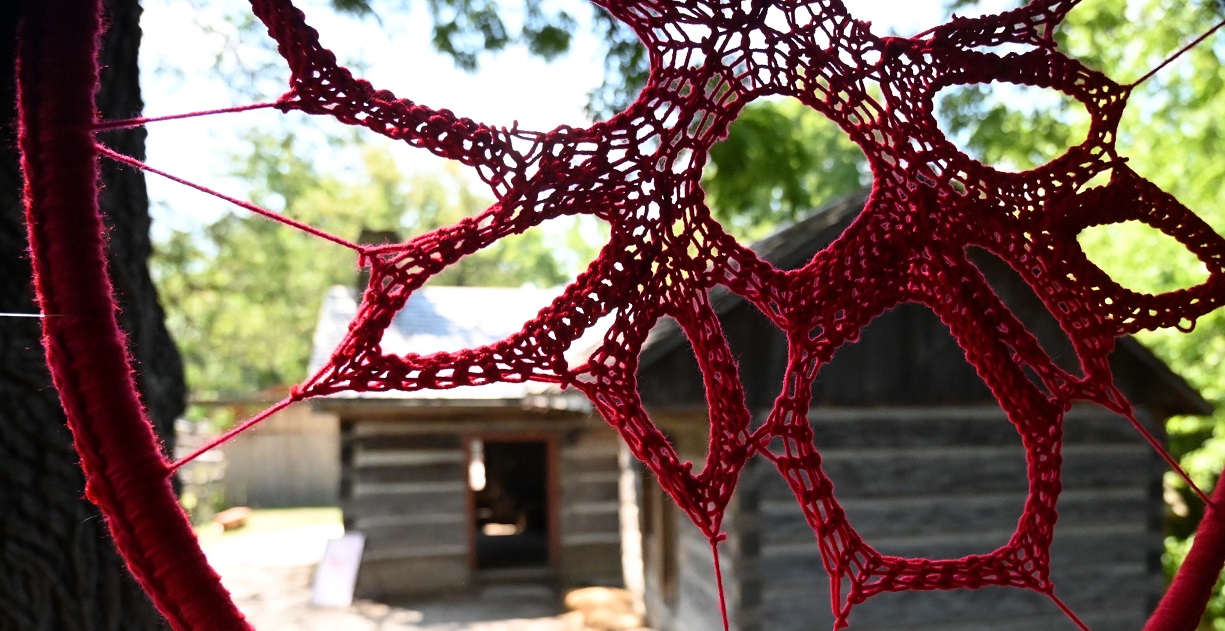
We are working with historians of Toronto’s Black community to learn more about the region’s Black citizens in the 1800s and are hoping to include this information in our interpretation soon.
We are also beginning the Jewish History Project, which will result in a new Village exhibit focused on memory, artifacts, and the Jewish experience in Toronto.
Be sure to visit the Gift Shop on your next visit to The Village, where you’ll find items created by equity-deserving artisans.
Keep checking this space to see what is coming next to Change the Narrative at The Village.